Does Buying Elden Ring Runes Work?
For many players diving into the world of Elden Ring, the grind for runes can feel endless. As the in-game currency used for leveling up, buying Elden Ring items, and upgrading gear, runes are vital. But not everyone has the time—or patience—to farm them for hours. This leads to one big question: Does buying Elden Ring runes actually work?
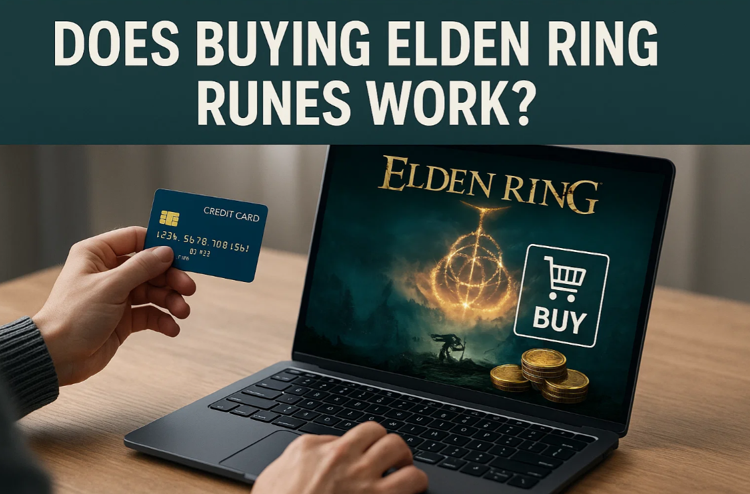
Based on my personal experience and observations from the community, here’s a thorough breakdown of whether it works, what risks are involved, and what to expect if you choose this route.
1. What Does “Buying Runes” Actually Mean?
When we talk about buying Elden Ring runes, we’re referring to the practice of purchasing in-game currency from third-party websites or sellers. These sellers typically offer large amounts of runes for real money and deliver them through in-game trading methods—usually by dropping golden runes in co-op sessions.
2. My Personal Experience with Buying Elden Ring Runes
A few weeks into my first playthrough, I hit a wall. My build was underpowered, and I didn’t have time to farm the millions of runes needed to respec and gear up. I decided to test the waters and purchase 10 million runes from a well-known site.
The transaction went like this:
- After placing my order, the seller contacted me via email with instructions.
- We scheduled a multiplayer session where the seller dropped a stack of high-value golden runes.
- I picked them up, used them, and—within minutes—I had what I needed.
The process was surprisingly smooth. I used the Elden Ring runes to level up, upgrade my gear, and explore harder zones confidently. The entire experience was seamless, and I didn’t encounter any technical or account issues.
However, I made sure to choose a reputable seller, and I understood the risks going in.
3. Does It Work? Technically, Yes—But It Depends
Yes, buying Elden Ring runes works in the sense that:
- You receive the currency quickly.
- You can use it to level up or purchase items.
- You skip long farming hours.
But effectiveness also depends on:
- Your platform: PC users tend to have more sellers available, but console platforms may have stricter moderation.
- The seller’s reliability: Not all websites are trustworthy. A poor choice could lead to scams or delays.
- How discreet the trade is: Obvious or repeated trades may raise red flags with the game’s anti-cheat system.
4. Is Buying Elden Ring Runes Safe?
This is where things get complex.
Potential risks include:
- Account suspension: FromSoftware has a strict stance on cheating and unauthorized transactions. If detected, your account could be penalized.
- Scams: Some sites take your money and never deliver, or send items that get removed later.
- Security breaches: Entering your personal data on shady sites could expose you to identity theft or credit card fraud.
That’s why I strongly recommend:
- Only using verified platforms with strong reviews.
- Never sharing your game login or personal information.
- Avoiding excessive or repeated transactions in a short time span.
5. Should You Buy Runes?
It depends on your goals.
Buy if:
- You value your time and want to experience the game without grinding endlessly.
- You’re stuck and need a boost to keep progressing.
- You’re a returning player who wants to experiment with builds quickly.
Avoid if:
- You want to stay 100% within FromSoftware’s terms of service.
- You play PvP competitively—extra runes could feel like an unfair advantage or risk disqualification.
- You enjoy the challenge and satisfaction of earning everything yourself.
6. Final Thoughts
So, does buying Elden Ring runes work? In my experience, yes—it absolutely works, if you do it carefully. I was able to progress faster, enjoy more of the game, and experiment with builds that I otherwise wouldn’t have had time to explore.
But that doesn’t mean it’s for everyone. Make sure you weigh the convenience against the risk. If you decide to go ahead, choose a seller with a solid reputation and always protect your account information.
Ultimately, how you play Elden Ring is your choice. Whether you earn your runes the old-fashioned way or take a shortcut, the Lands Between will always offer the same brutal beauty, mystery, and adventure.
FAQ: Buying Elden Ring Runes
Q1: Is it legal to buy Elden Ring runes?
A: While not illegal in a legal sense, buying runes from third-party sellers violates FromSoftware’s terms of service. Doing so could result in account penalties, including suspensions or bans.
Q2: How are Elden Ring runes delivered after purchase?
A: Most sellers use the multiplayer system to drop consumable Golden Rune items during a co-op session. You pick them up and use them to gain runes instantly.
Q3: Can my account get banned for buying runes?
A: Yes, there's always a risk. If FromSoftware’s systems detect unusual transactions or flagged accounts, you may face penalties. Using reliable sellers and avoiding repeated trades may reduce this risk, but not eliminate it.
Q4: How do I know if a rune seller is safe?
A: Look for the following:
- Verified user reviews
- Transparent delivery methods
- Secure checkout (HTTPS and payment protection)
- No request for your game login information
Q5: Is buying runes worth it for new players?
A: For new players short on time or stuck in progression, buying runes can offer a quick boost. However, it may skip some of the learning and challenge that makes Elden Ring rewarding.
Q6: Can I get banned for just picking up dropped runes?
A: Technically yes, if the transaction appears suspicious or violates terms. Even if you didn’t pay for them, receiving large quantities from unknown sources could flag your account.
Q7: What’s the best way to farm runes without buying?
A: Popular farming methods include:
- Killing Albinaurics near the Palace Approach Ledge-Road in Mohgwyn Palace
- Using the Gold Scarab talisman
- Repeated boss runs with rune-boosting gear
Q8: Do sellers offer support or refunds?
A: Reputable sellers usually offer limited-time delivery guarantees and support via email or chat. Always check their refund and replacement policies before purchasing.
Guides & Tips
- Diablo 5 kaleratze data, jokatzeko, PS5, klaseak, berrikuspena, Game Pass, azken berriak
- NBA 2K23 Denver Nuggets
- Diablo 4 Ambient Volume Settings
- PoE Indomitable
- Skull and Bones Dardanelles Gun
- Holistic Health PoE
- WoW Darkmoon Faire Achievements 2022
- MW2 KV Broadside Shotgun — Kastov Platform
- High Explosives PoE
- MW3 Completion Camos, Rewards Carry Forward
- Skull and Bones Map Red Isle
- Queen of the Sands PoE Quest Walkthrough Location & Reward
- Diablo 4 Essence Cost Reduction
- PoE Synthesis Jewel
- Nunua WoW Classic Gold, Nafuu Cataclysm Classic Gold, SOD, ERA, CATA, World of Warcraft Gold Farming